Our Programmes

Education & Child Development

We believe every child — regardless of gender, location, or background — deserves access to quality education. Our programme removes barriers and creates pathways to learning.

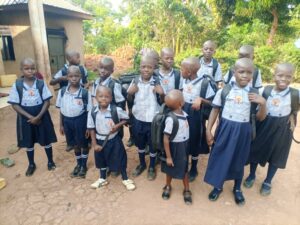
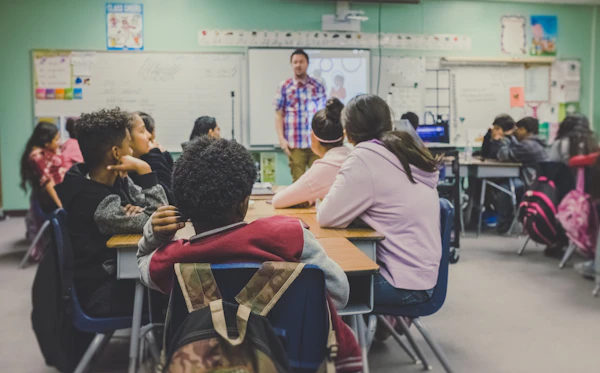
Children learning in a NISS-supported school
10+
Years of Education Programme Impact
Programme Overview

Breaking Barriers to Education in Uganda

In rural Uganda, many children face insurmountable obstacles to education — from a lack of classrooms and teachers to the cost of uniforms and supplies. For girls, the barriers are even higher.

Our Education & Child Development programme takes a holistic approach: we don't just build schools — we create entire ecosystems of support around each child, ensuring they enrol, attend, learn, and thrive.

  • Constructing and rehabilitating primary school classrooms with proper furniture and sanitation
  • Providing full scholarships covering tuition, uniforms, books, and exam fees
  • Training and supporting teachers through professional development workshops
  • Running after-school tutoring and mentorship clubs for struggling learners
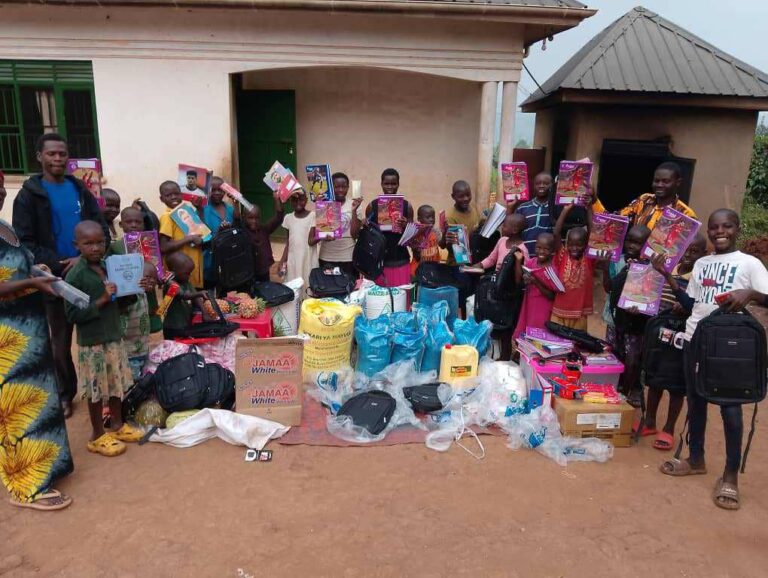
  • Distributing learning materials — textbooks, stationery kits, and solar lamps for evening study
  • Championing girls' education through gender-sensitive programming and community advocacy
Support Education Sponsor a Student
What We Do

Six Pillars of Our Education Programme

Every pillar addresses a specific barrier — together, they create a comprehensive safety net that keeps children in school and learning.

Classroom construction 1

School Infrastructure

We build new classrooms, repair dilapidated structures, install rainwater harvesting systems, and construct separate sanitation facilities for girls — creating safe, dignified learning environments.

18
Classrooms
12
Latrines
8
Libraries
Scholarship programme 2

Scholarships & Bursaries

Full and partial scholarships cover tuition, uniforms, exam fees, and learning materials for the most vulnerable children — especially orphans, girls, and children with disabilities.

340
Scholarships
68%
Are Girls
92%
Completion
Teacher training 3

Teacher Training

We invest in teachers through workshops on child-centred pedagogy, inclusive education for children with disabilities, digital literacy, and psychosocial support techniques.

180
Teachers Trained
24
Workshops/yr
45
Schools
Learning materials 4

Learning Materials

Every year we distribute thousands of textbook sets, stationery kits, geometric sets, and solar-powered study lamps to ensure no child is held back by a lack of resources.

12K+
Kits Given
2,400
Solar Lamps
8K+
Textbooks
After-school tutoring 5

After-School Support

Our community learning centres provide free tutoring, homework help, and mentorship clubs outside school hours — especially for children who are behind or at risk of dropping out.

6
Centres
850
Students/week
32
Tutors
Girls education 6

Girls' Education

Dedicated programmes tackle gender-specific barriers: menstrual hygiene management, community attitudes toward girls' schooling, early marriage prevention, and girls' leadership clubs.

1,800
Girls Supported
14
Girls Clubs
3K+
Hygiene Kits
Our Methodology

How We Deliver Results

A structured, evidence-based approach ensures every intervention is targeted, measurable, and sustainable.

1

Community Assessment

We begin every intervention with a thorough needs assessment — consulting parents, teachers, local leaders, and children themselves to understand the real barriers.

2

Targeted Intervention

Based on data, we design programmes that address the most critical gaps — whether it's a missing classroom, an under-trained teacher, or families who can't afford fees.

3

Implement & Monitor

Our field teams deliver interventions with continuous monitoring — tracking enrolment, attendance, and learning outcomes in real-time through our M&E system.

4

Evaluate & Sustain

We measure impact through annual learning assessments and transition rates, then work with communities and government to sustain gains long after our direct involvement ends.

Measurable Change

Education Impact by the Numbers

Data-driven results that demonstrate the real difference our education programme is making in Ugandan communities.

0
Children Reached
Across 6 districts since 2014
Primary School Enrolment94%
P7 Exam Pass Rate (NISS schools)87%
Daily Attendance Rate91%
Girls' Enrolment Increase78%
Transition to Secondary School72%
Teacher Retention Rate96%
18
Classrooms Built or Rehabilitated
340
Scholarships Awarded
180
Teachers Trained
In The Field

Education in Action

The Reality

Challenges We're Addressing

Uganda's education system faces deep, systemic challenges. Here's what we're up against — and how we're responding.

Overcrowded Classrooms

In many rural schools, pupil-to-teacher ratios exceed 80:1. Children sit on the floor or share desks designed for two. Learning outcomes suffer dramatically.

Our solution: Building new classrooms & training more teachers

Cost Barriers for Families

Even in UPE (Universal Primary Education) schools, hidden costs — uniforms, exam fees, lunch, supplies — keep many children out of school, especially girls and orphans.

Our solution: Full scholarships covering all costs

Gender Inequality

Girls in northern Uganda are 30% less likely to complete primary school. Early marriage, pregnancy, menstrual stigma, and domestic labour keep them out of the classroom.

Our solution: Girls' clubs, hygiene kits, community advocacy

Under-Qualified Teachers

Many rural teachers have minimal training and no access to professional development. Rote learning is the norm, and children with learning difficulties are left behind.

Our solution: Annual training workshops & mentorship

Poor Sanitation Facilities

Many schools lack functioning latrines or clean water — particularly girls' facilities. This is a leading cause of dropout, especially for adolescent girls.

Our solution: Constructing gender-separate sanitation blocks

Long Distances to School

Some children walk over 5km each way to reach the nearest school. The journey — especially during rains — is unsafe and exhausting, leading to absenteeism and dropout.

Our solution: Building schools closer to communities
Transparency

How Your Education Donation Is Spent

We believe in full financial transparency. Here's a breakdown of every dollar invested in our education programme.

87%
Goes to Programs
School Infrastructure35%
Scholarships & Materials30%
Teacher Training15%
After-School Programmes7%
Administration & Monitoring13%

Financial Commitment

We are committed to maximising the impact of every shilling received. Our finances are independently audited annually, and full reports are available to all donors.

  • Annual independent audit by a certified Ugandan firm
  • Donor-specific financial reports available on request
  • Programme expenditure verified through site visits and receipts
  • Registered with the Uganda NGO Bureau (Cert. #XXXXX)
  • Governed by an independent board of directors
Download Annual Report
Common Questions

Education Programme FAQ

Answers to the most common questions about our education work.

We use a data-driven needs assessment that scores communities on multiple factors: pupil-to-classroom ratio, exam pass rates, distance to nearest school, poverty levels, and gender disparity. Schools scoring highest receive priority. We also work closely with district education offices to align with government planning.
The full cost varies by level and location, but on average: a primary school scholarship costs approximately $120 per year (tuition, uniform, books, exam fees, and supplies). A secondary school scholarship costs approximately $350 per year. This includes all direct costs plus a share of programme overhead.
Both. Where no school exists within a reasonable distance, we construct new classroom blocks in partnership with the local government (which provides the land and commits to staffing). Where schools exist but are in poor condition, we rehabilitate and expand them. All construction uses local labour and materials to boost the local economy.
Our girls' education programme has multiple layers: we provide menstrual hygiene kits and education, run girls' leadership clubs, work with parents and community leaders to change attitudes about girls' education, and provide safe spaces for girls to report concerns. We also track individual girls' attendance and intervene early when someone starts missing school.
We work to ensure continuity. High-performing sponsored children are offered secondary school scholarships. For others, we provide transition counselling and connect them with vocational training opportunities. We track all sponsored children for at least 3 years after they leave our programme to measure long-term outcomes.
Yes! We welcome donor and sponsor visits to see our education work first-hand. Visits are organised quarterly and include a guided tour of classrooms, meetings with teachers and students, and a briefing on programme results. We ask that visits are scheduled in advance so we can prepare the school community. Contact us at info@nissprojectug.org to arrange a visit.
We use a combination of quantitative and qualitative metrics: enrolment and attendance data (collected monthly), standardised literacy and numeracy assessments (conducted annually), P7 exam pass rates, transition rates to secondary school, and qualitative feedback from teachers, parents, and students. All data is entered into our monitoring system and analysed to inform programme adjustments.
Make a Difference

Invest in a Child's Education Today

Your gift — no matter the size — directly funds classrooms, scholarships, teacher training, and learning materials for children who need it most.

$50
Supplies a child for a term
$120
Full year scholarship
$350
Secondary school for a year
$1,000
Furnish a classroom
Donate $50 to Education

Secure payment · 87% goes directly to programmes · Tax-deductible